
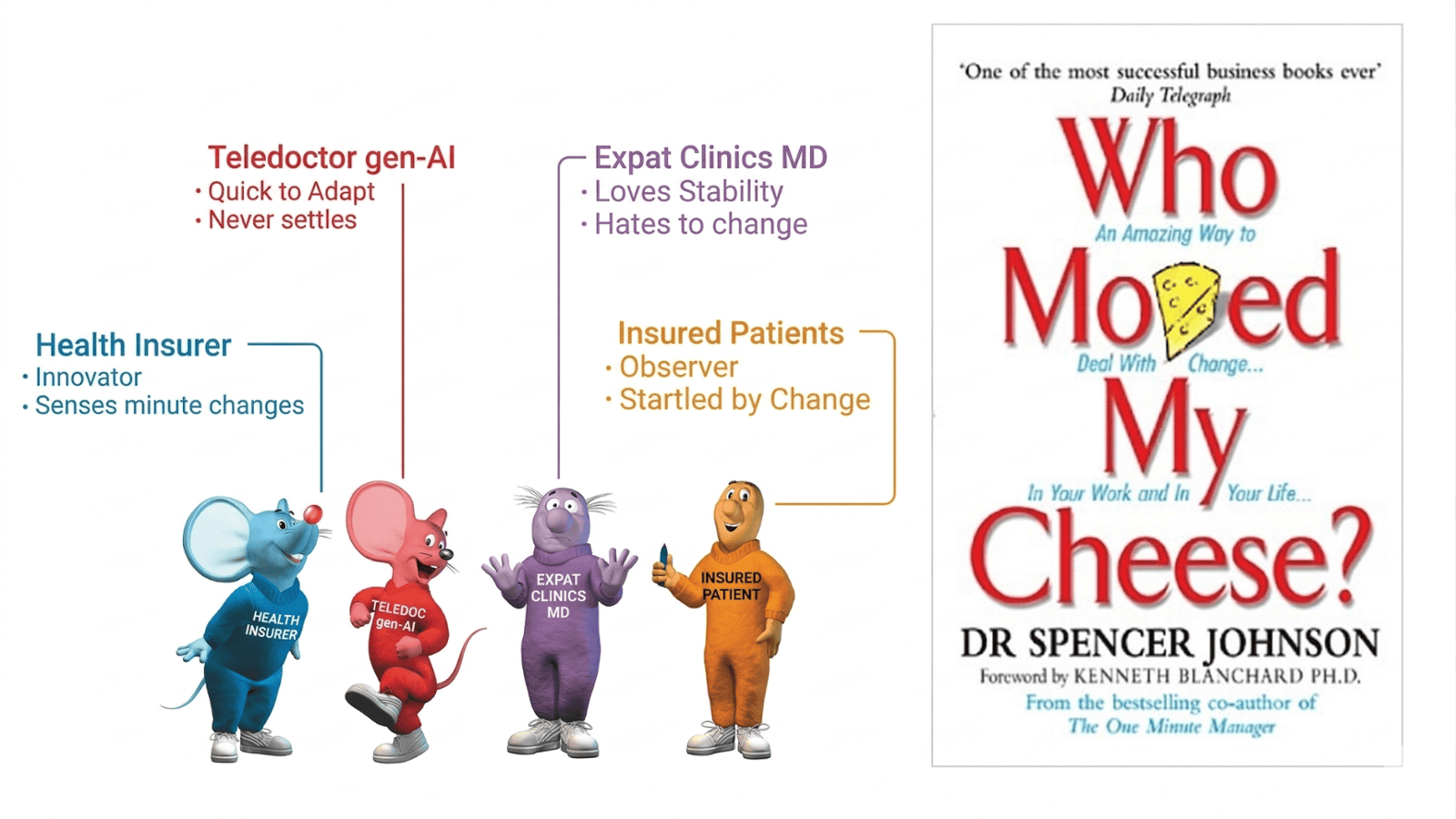
Medical inflation is +15%/year in Asean: Expat clinics, foreign patients, Insurers or TeleDoctor gen-AI mobile apps?
In 2026, the intersection of double-digit medical inflation and AI-driven healthcare in ASEAN has reached a critical tipping point. With medical trend rates hitting 14–17% in markets like Singapore, Malaysia, and Indonesia, the traditional "expat clinic" model is being disrupted by Agentic AI (the next evolution of Gen-AI) and digital-first insurer strategies.

The Future of Expat Healthcare: How Hybrid AI and Teleconsultations are Reshaping Care in the Asia Pacific
For remote workers and expatriates living in the Asia Pacific (APAC) region, securing high-quality, accessible healthcare has traditionally meant relying on premium expat clinics and costly private hospitals. However, a perfect storm of soaring medical inflation, a scarcity of bilingual doctors, and rapid technological advancements is driving a massive paradigm shift.
By 2030, the traditional in-person doctor consultation is poised to be largely replaced by hybrid generative AI and human teleconsultation models. Here is a look at why this transformation is happening, the pros and cons of adoption, and what it means for the future of global mobility.
The Catalyst: Double-Digit Medical Inflation and Bilingual Scarcity
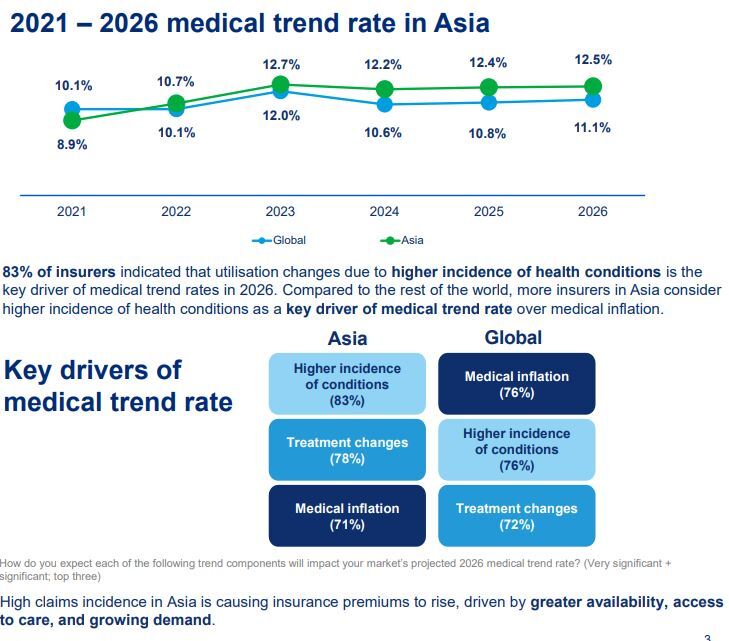
Medical inflation in the Asia Pacific region has been relentless, with medical trend rates remaining persistently high and projected to reach 12.5% across the region in 2026. Countries like Singapore (14.0%), Malaysia (15.0%), and the Philippines (16.0%) are seeing double-digit year-over-year cost increases, driven heavily by a higher incidence of health conditions.
Currently, 85% of insurers in Asia are concerned that inefficient and wasteful care is making health plans unaffordable. Compounding this financial strain is the scarcity of local bilingual doctors, which often forces expats to seek out specialized, premium-priced international clinics just to communicate their symptoms accurately.
The Solution: Hybrid Generative AI + Doctor Teleconsultations
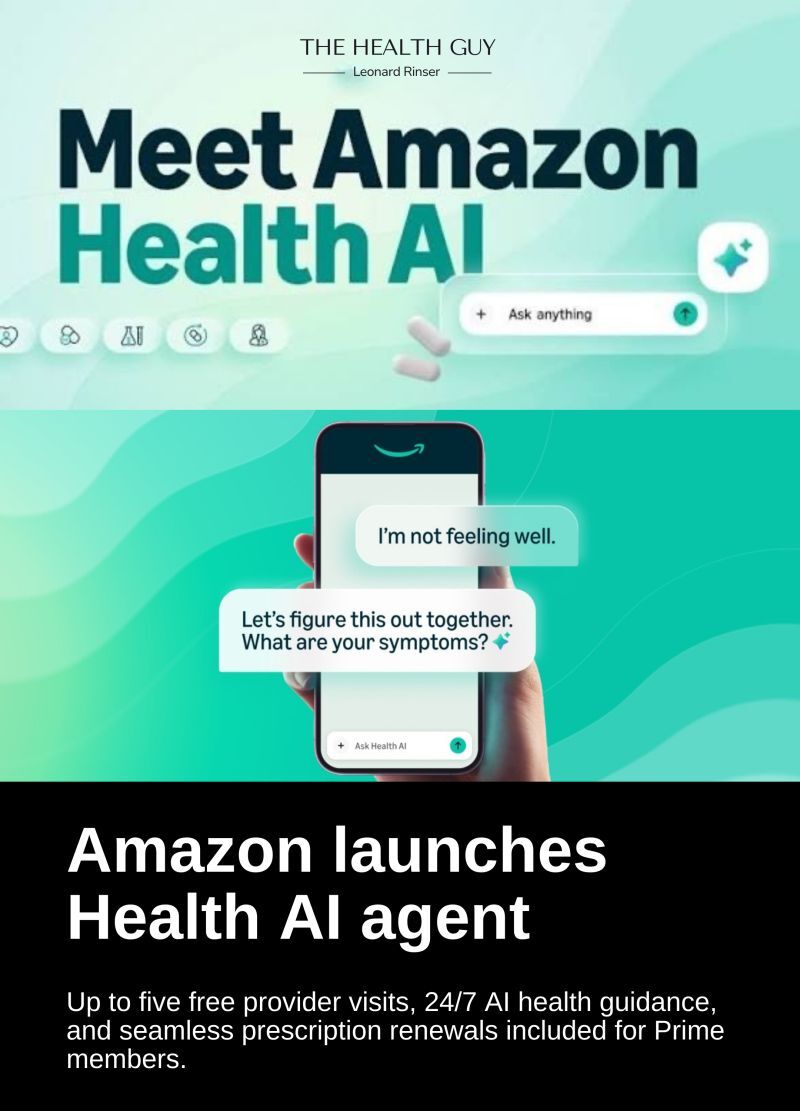
To combat these rising costs and access barriers, international health insurance providers are shifting toward a "tele-driven health" system. This model leverages a hybrid approach:
The Main Pros of Adoption
Overcoming the Language Barrier: Telehealth platforms allow expats to connect globally to find a primary physician who speaks their native language, entirely bypassing local language constraints.
Massive Cost Reductions: Emergency room visits are generally 12 times as expensive as an office visit. By utilizing 24/7 telehealth services, doctors can safely resolve medical problems remotely 60% of the time, avoiding thousands of dollars in unnecessary ER expenses per patient.
Convenient Access to Top Specialists: Virtual technology connects patients to the most experienced specialists regardless of geography, which is especially critical for expats dealing with complex or rare diseases. Replacing 30% to 40% of in-person specialist visits with virtual consults can save tens of billions of dollars annually.
Better Chronic Disease Management: Virtual visits are less time-consuming and allow for more frequent check-ins and medication adjustments, resulting in faster disease control and fewer complications than traditional, episodic in-person visits.
The Main Pros of Adoption
Fragmented Prescription Regulations: A major hurdle for global nomads is that the acceptance of telehealth prescriptions varies significantly worldwide, depending entirely on the local health system and regulations of the country the expat is currently residing in. In some regions, medications cannot be easily procured or legally delivered.
Data Privacy and Security Risks: Integrating AI with medical histories requires immense trust. Providers must maintain strict HIPAA-compliant privacy practices and encryption technologies to ensure that protected health information (PHI) is not compromised or manipulated.
Not a Complete Replacement for Emergencies: AI models and virtual doctors cannot handle severe physical emergencies; AI guardrails must be in place to detect acute symptoms and redirect patients to call emergency services immediately.

The Trend by 2030: Replacing the Brick-and-Mortar Expat Clinic
Looking toward 2030, the reliance on brick-and-mortar expat clinics in APAC will drastically diminish as proactive risk management becomes a requirement for sustainable health benefits. Routine care, mental health counseling, and chronic condition management will be handled almost entirely through integrated digital platforms.
Employers and insurers will aggressively incentivize this shift through tiered co-pays that encourage "virtual-first care". For expats and remote workers, this means the future of healthcare will no longer be tied to an expensive international hospital in Vietnam, Bangkok or Singapore, but will instead live right in their pockets—offering 24/7 access to personalized AI insights and global physicians who speak their language, at a fraction of the traditional cost.