
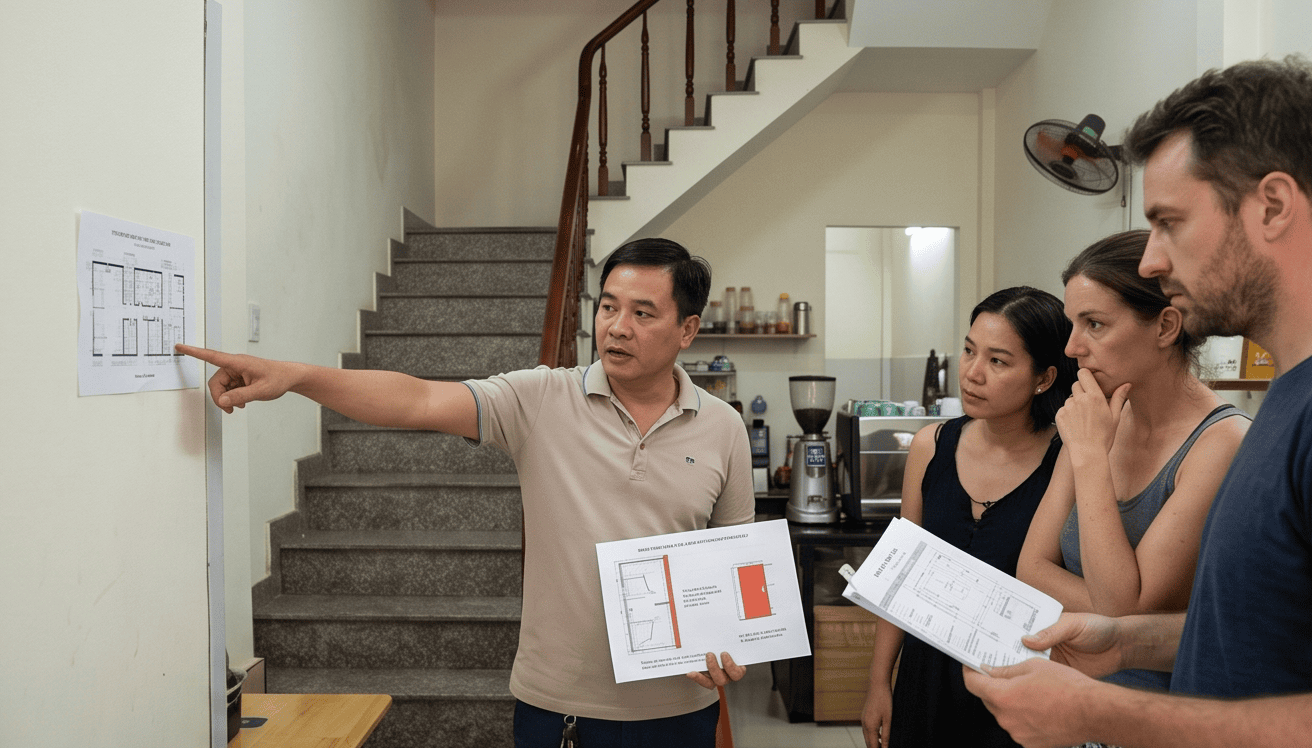
On July 1, 2025, Vietnam’s new Law on Fire Prevention, Fighting, and Rescue (Law No. 55/2024/QH15) takes effect, significantly shifting fire safety liabilities onto tenants rather than landlords.
Renters are legally accountable for daily safety conditions, and homes in hard-to-reach urban areas must install smart alarms connected to a national database by 2027. Expats are highly advised to review their leases and secure local home insurance.
Welcome to Vietnam! If you're new here, you’ll quickly learn that the energy of cities like Ho Chi Minh City and Hanoi is unmatched. But along with navigating the amazing street food and bustling alleyways, there are some serious administrative realities you need to stay on top of.
Right now, the biggest topic in the real estate community is the new Law on Fire Prevention, Fighting, and Rescue (Law No. 55/2024/QH15), which officially goes into effect on July 1, 2025. It completely replaces the older, nearly quarter-century-old 2001 law.
It’s completely normal to feel a bit overwhelmed when local laws change, but as a real estate professional who helps expats settle in, I want to ground this in reality for you. This is a fundamental shift in how we live, work, and protect our communities. Here is exactly how this law impacts you as an expat tenant, and what you need to do to stay protected.
1. You Hold the Liability as a Renter
Vietnam’s rental market can be complex, but the new law provides much-needed legal clarity on who is at fault if a fire starts in a rented space. The days of assuming the landlord is entirely responsible are over.
Property owners are strictly responsible for "reminding and urging" safety.
The person actually living in or using the space (the renter) is legally accountable for daily safety conditions, unless a written contract states otherwise.
If you are renting a shophouse that combines living and business areas, the law mandates specific fire separation solutions between the commercial area and the living quarters.
2. Smart Alarms are Becoming Mandatory
If you love the charm of living deep down a narrow, authentic Vietnamese hẻm (alleyway), you need to be aware of the new "Infrastructure Trigger" rules.
In centrally-run cities, houses located in areas lacking adequate water sources or traffic access for fire trucks must install fire alarm transmission devices.
These devices must connect directly to the National Database on Fire Prevention, Fighting, and Rescue.
While the law begins in 2025, there is a deadline of July 1, 2027, for this digital transition to be fully implemented.
3. The 114 Hotline is Your Lifeline
You should immediately save "114" in your phone. The national emergency number "114" is undergoing a major functional expansion.
The system now formally handles "Rescue" operations, which are focused specifically on saving people from immediate danger to life or health.
It also handles "Support" operations, focused on the recovery of vehicles and property in danger during accidents or disasters.
4. You Could Be Called to Help
Under the new law, fire prevention ceases to be a passive civic duty and becomes an active requirement.
Any healthy citizen aged 18 or older is legally responsible for joining local response forces upon request.
This specifically includes Civil Defense Teams formed at the neighborhood or village level.
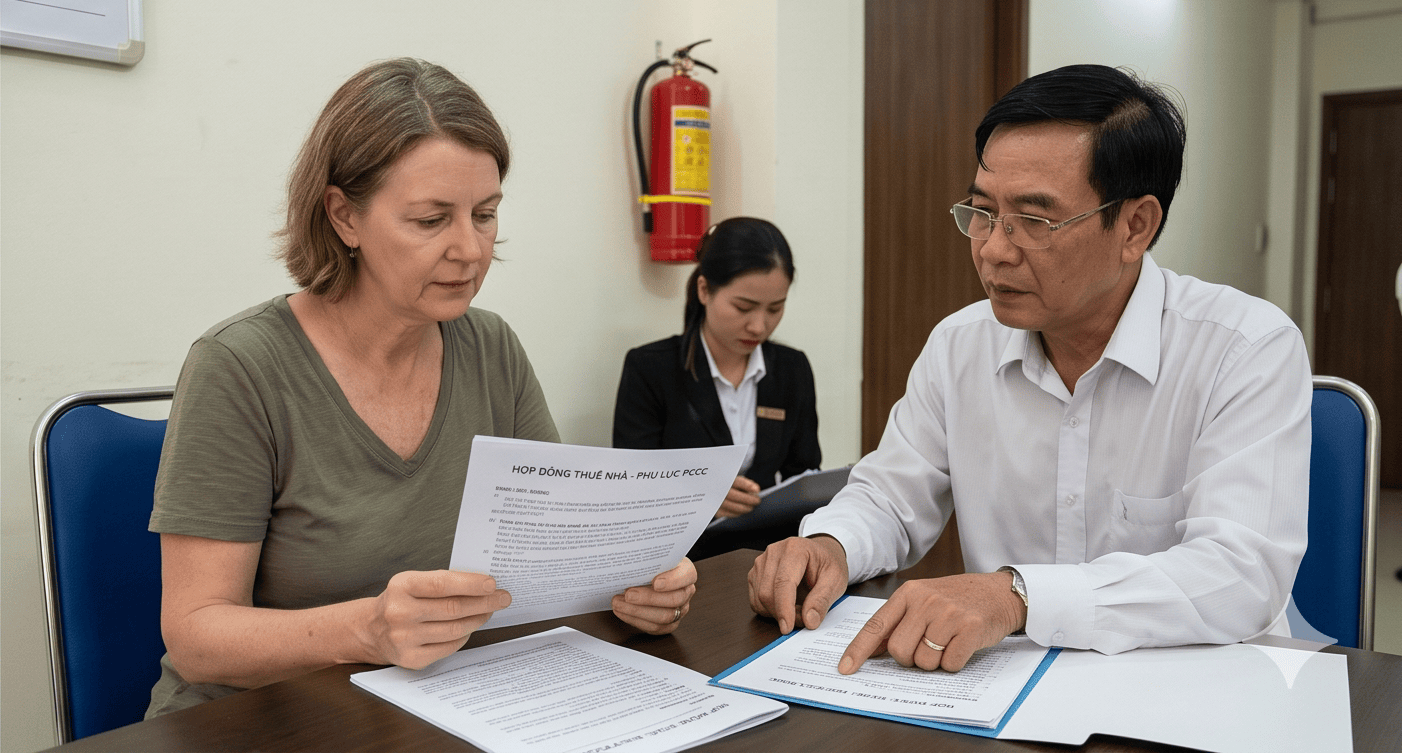
Actionable Advice: How to Protect Yourself Today
The core philosophy of Law No. 55/2024/QH15 is taking proactive prevention as the primary task. As an expat, ignorance of the law isn't a safety net. Here is what you need to do:
Audit Your Lease Agreement: Check your current contract. Since you hold the daily liability, you need a clause explicitly stating the landlord's obligations regarding fire equipment maintenance (extinguishers, escape ladders).
Mark Your Calendar: October 4th is designated as the "All-People's Day for Fire Prevention, Fighting, and Rescue". Use this as an annual milestone to review your safety protocols and readiness.
Check Your Access: If a fire truck cannot pull up to your front door, start talking to your landlord now about the 2027 smart alarm mandate.
Because daily safety liability now falls squarely on the renter, a standard deposit won't protect you from massive liability if an accident occurs.
We highly recommend purchasing comprehensive home and renter's insurance through a professional, locally-licensed broker. A local broker understands the specific risk exposures of Vietnamese housing and can ensure you have a policy that covers your exact liability under Law 55/2024/QH15. Don't wait until the landlord sends you the bill for any damage or deduct from your rental deposit when you leave -as they usually do- to get covered.